NEWCOMERS · A POLAND FIRST-STEPS GUIDE
Moving to Poland: a practical guide for newcomers
A useful starting point for the first weeks and months: housing, transport, everyday paperwork, payments, food, and settling in.
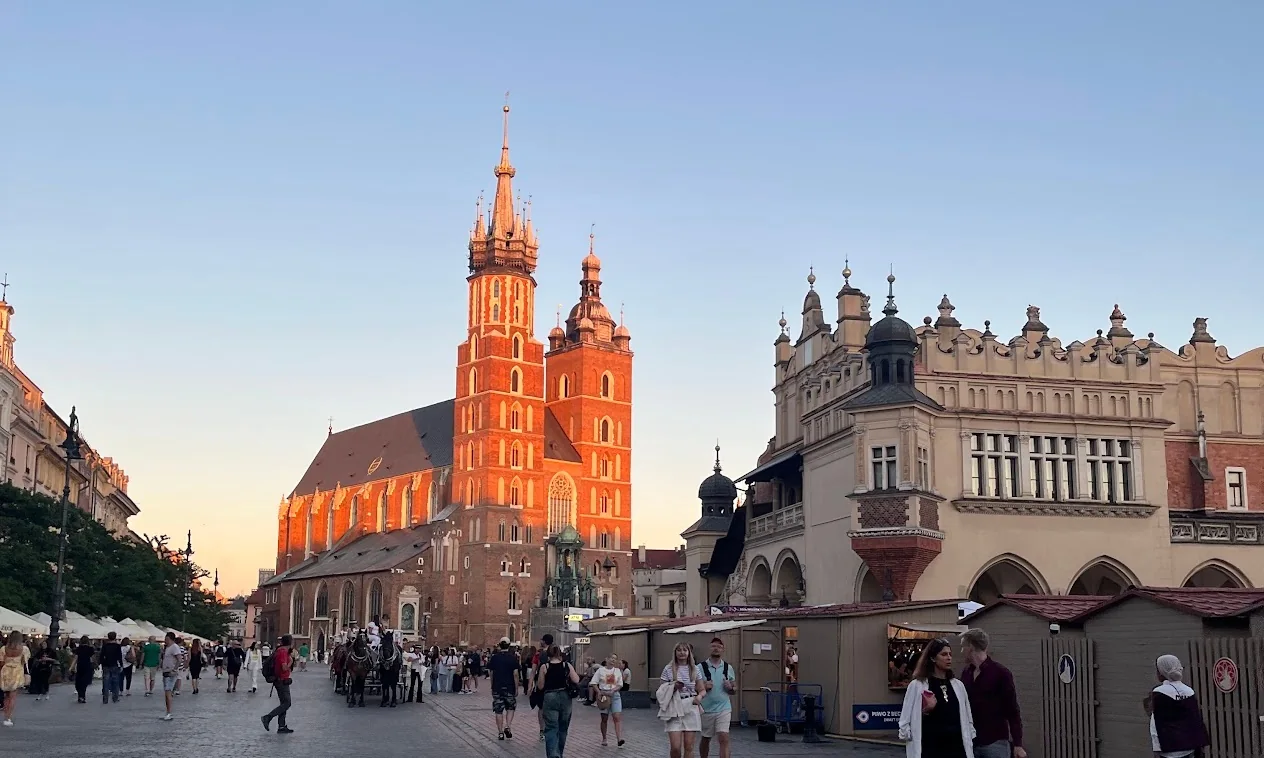
Moving to a new country is easier when you break the first few months into everyday tasks. If you’re moving to Poland, start with where you’ll stay, how you’ll get around, and which personal requirements you need to verify. This guide connects those first questions to more detailed practical guides.
Start with a first-week checklist
In your first days, focus on where you will stay, how you will get around, and how you will connect to the internet. Make a list of any deadlines related to your stay, work, or studies. Entry, residence, work, and registration requirements depend on your citizenship and circumstances, so confirm your own obligations with the relevant Polish authority.
Use the first week in Poland checklist to organize the immediate basics and identify which details need an official check.
Find a place to live and understand the full cost
When comparing rentals, look beyond the advertised rent. Ask what utilities and building charges include, how much deposit is due, whether an agency fee applies, and what the agreement says about the rental period and notice. A room in a shared flat and a small studio, called a kawalerka, can have different costs and trade-offs.
Read the guide to renting in Poland, comparing a room with a kawalerka, and checking an offer. It explains practical checks to make before sending money.
Learn the local transport basics
Public transport is often a useful way to explore a Polish city. Ticket types, travel zones, validation rules, and discounts vary by city and operator. Check current instructions from the local transport provider before travelling, especially if you plan to use a pass or student discount.
The Poland public transport guide covers tickets, validation, student discounts, and official starting points for Warsaw and Kraków.
Check whether PESEL applies to you
PESEL is Poland’s national identification number. Whether you need one, how to obtain one, and what documents apply can depend on your situation and the service you are using. Follow the current government instructions for your case.
Start with what PESEL is and when to check if you need one.
Get familiar with everyday payments
BLIK is a payment system offered through participating banks in Poland. A BLIK code payment and a transfer to a phone number are different actions. Only approve a transaction you initiated and checked in your banking app, and never share a payment code with someone who contacts you unexpectedly.
Learn the basics in the BLIK guide for newcomers.
Make your first grocery trip easier
Recognizing a few Polish food and menu words can make shopping and eating out more comfortable. Recipes vary, so ask about ingredients when they matter, especially if you have an allergy or dietary restriction.
The Polish food and menu guide explains familiar dishes, useful words, and simple questions to ask.
Build routines for the months ahead
Once the immediate logistics are in hand, try building a small Polish-learning habit and reviewing any residence paperwork early. Keep track of official messages and deadlines that apply to your situation. Immigration rules and application procedures can change, so use current government sources.
See the guide to your first 6–12 months in Poland for ideas on learning practical Polish and planning ahead.
Explore more practical Poland guides
These articles offer general orientation, with official sources linked where details depend on your city, bank, or personal situation. Browse all practical guides to everyday life in Poland and verify changing requirements with the organization responsible before you act.
This article is general information, not legal, immigration, banking, or transport advice.